
Free: (801) 836-4112
nickmdj@yahoo.com
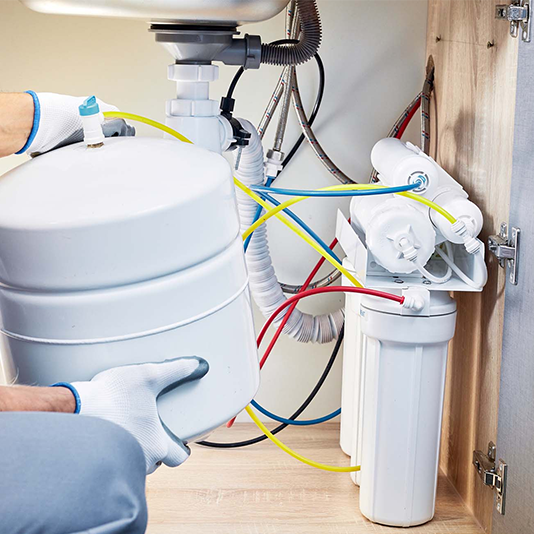
Many people purchase an RO system because they want cleaner water, but then worry that it might be “too filtered” or missing something important.
Reverse Osmosis (RO) water is generally safe to drink. It can be a smart choice if you want to reduce certain contaminants in your tap water.
The main things to watch are:
In the rest of this article, we’ll explain what RO water is, how it works, what it removes, what “downsides” people talk about, and how to make sure your RO water stays safe and tastes good.
What Reverse Osmosis Water Actually Is
Reverse osmosis water is water that has been pushed through a special membrane (a super-fine filter). The membrane blocks many unwanted substances, allowing clean water to pass through.
Think of it like a gate that only lets tiny water molecules squeeze by. A lot of systems also use extra filters (like carbon filters) before or after the membrane to improve taste and protect the membrane.
Info: RO is typically a point-of-use system, meaning it often sits under your kitchen sink and filters water from a single faucet.
What RO Water Removes and Why People Like It
One big reason RO is popular is that it can reduce a wide range of contaminants. The CDC notes RO systems can remove some chemicals and may reduce others, depending on the system.
Here are common examples people care about:
The key phrase is “it depends,” because not every RO system is built the same. Always check what your specific model is certified to reduce.
Quick Tip: Look for RO systems tested to NSF/ANSI Standard 58 (this is a well-known standard for RO drinking water systems).
Is RO Water “Too Pure” or Missing Minerals?
This is the #1 worry I hear: “If RO removes stuff, does it remove good stuff too?”
Yes, RO can reduce minerals like calcium and magnesium because they’re dissolved in water. That’s not automatically dangerous, but it matters for two reasons:
First, minerals can add a little nutrition and affect taste. Most of your minerals should come from food, but water can contribute some.
Second, very low-mineral water can taste “flat,” and some people prefer water with minerals.
If you miss the taste (or just want balance), you can:
The Real Safety Issues: Maintenance and the Source Water
RO water is typically safe when the system is functioning properly. But any filter can become a problem if it’s not maintained.
The CDC recommends paying attention to what your system is designed to remove and keeping up with filter changes. If filters are overdue, performance can drop, and the water may taste unusual (or worse, you may assume you’re protected when you’re not).
Warning: RO systems are typically meant for water that is already microbiologically safe (like treated city water). If you use well water or have a contamination warning, test your water and choose a system designed for your situation.
RO Water and Water Waste: A Tradeoff to Know About
Many RO systems produce “wastewater” during the filtering process. Some older designs can waste several gallons of water for every gallon of filtered water.
The EPA notes explicitly that a typical point-of-use RO system may send five gallons (or more) down the drain for every gallon of treated water, although more efficient models are available.
That doesn’t make RO unsafe—it’s just something to consider for cost and conservation.
Quick comparison table
| Topic | RO water | Basic carbon filter (pitcher/fridge) | Boiling water |
| Helps reduce dissolved metals/chemicals | Often yes (varies by model) | Sometimes limited (depends on filter) | No |
| Helps with germs | Can remove some microbes, but depends on setup and water source | Usually not meant for microbes | Yes (kills germs) |
| Removes minerals (can change taste) | Yes, often | Usually no | No |
| Ongoing maintenance | Filter + membrane changes | Filter changes | Energy/time each use |
| Water waste | Can be high (some models improved) | No | No |
Fact: There isn’t one “perfect” option for every home. The best filter depends on what’s actually in your water (a water test helps a lot).
Conclusion
Reverse osmosis water is water filtered through a special membrane that can reduce many unwanted contaminants. For most people, RO water is safe to drink, especially when the system is properly maintained and tailored to your water quality.
The biggest “watch-outs” aren’t scary: keep up with filter changes, consider remineralizing if you dislike the taste, and remember that many RO systems waste water during filtering.
If you’re thinking about installing a RESERVE OSMOSIS SYSTEM (reverse osmosis), check out Expert Water Systems—a good supplier can help you pick the right setup, replacements, and maintenance schedule so your water stays consistently clean.
FAQs
Is reverse osmosis water safe to drink every day?
For most people, yes. Just maintain the system and change filters on schedule.
Does RO water remove helpful minerals?
It can reduce minerals like calcium and magnesium because they’re dissolved in water.
Do I need to remineralize RO water?
Not always, but many people do it for taste and balance.
How do I know if my RO system is legit?
Look for testing/certification to standards like NSF/ANSI 58, and verify what it’s certified to reduce.
Why does my RO system waste water?
Many RO units flush contaminants away during filtration, which can send multiple gallons to the drain per gallon filtered (efficiency varies by model).